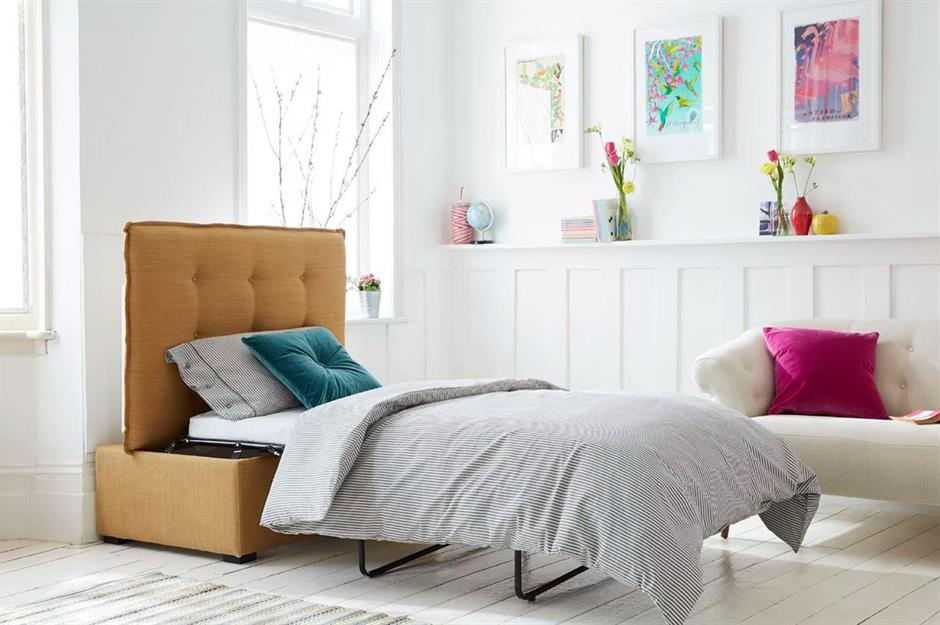
Furnishings for small spaces are not just about fitting in; they are about creating a home that reflects your personality while making the most of limited square footage. As urban living grows in popularity, the need for smart, stylish, and functional furnishings becomes essential. In this exploration, we’ll delve into the importance of selecting the right pieces that not only optimize space but also enhance the overall aesthetic and functionality of compact areas.
With the rise of multi-functional furniture trends, homeowners now have access to a plethora of innovative solutions that cater to their specific needs. From modular sofas that adapt to your lifestyle to foldable tables ideal for small dining areas, the right furnishings can transform even the coziest corners into inviting spaces. This discussion will also touch upon entrepreneurial opportunities and ethical practices within the furnishings industry, highlighting the exciting future of small space living.
Importance of Furnishings for Small Spaces
Furnishings play a crucial role in small spaces, where every inch counts. The right choices can make a significant difference in how a compact area is perceived and utilized. Selecting appropriate furnishings not only optimizes the available space but also enhances the overall functionality and aesthetic appeal of the environment.Choosing the right furnishings is essential for maximizing utility in limited areas.
Well-designed pieces can create an illusion of spaciousness while serving multiple purposes. Current trends in small space living focus on minimalism and multifunctional designs, which have greatly influenced furniture design. These trends emphasize the need for smart solutions that cater to the unique challenges of compact living.
Types of Furnishings Suitable for Small Spaces
When it comes to furnishing small spaces, certain categories stand out for their utility and efficiency. By opting for specific types of furnishings, individuals can significantly enhance their living experience in compact environments.
- Multi-functional furniture: Pieces that serve more than one purpose such as sofa beds, storage ottomans, and extendable dining tables.
- Foldable tables: Perfect for dining or working, these can be easily stored away when not in use.
- Modular sofas: These allow for customization in arrangement to fit different layouts and preferences.
- Wall-mounted shelves: Great for maximizing vertical space while providing storage and display options.
- Murphy beds: Ideal for studio apartments, these beds fold into the wall to create more floor space when not in use.
Customer Service in the Furnishings Industry
Effective customer service is a pivotal factor in the purchasing decisions within the furnishings industry. A positive interaction can enhance customer satisfaction and loyalty, especially when navigating the complexities of selecting furnishings for small spaces.Personalized service is particularly important for guiding customers through their choices. Staff who understand the challenges of small space living can offer tailored solutions that meet individual needs.
To improve customer support in furniture retail, businesses can implement training programs focused on product knowledge and customer interaction techniques, ensuring that employees are well-equipped to assist shoppers effectively.
Entrepreneurialism in Small Space Furnishings
The small space furniture market offers numerous entrepreneurial opportunities. As urban living becomes more common, the demand for innovative solutions has increased, making this a ripe environment for start-ups and established companies alike.Innovative business models, such as subscription services for furniture or customizable modular pieces, cater specifically to the needs of compact living. Successful businesses like IKEA and smaller niche brands have emerged in this sector, showcasing designs that not only meet consumer demands but also reflect current lifestyle trends.
Business Ethics in Furnishings Production
In the production of furniture for small spaces, ethical considerations play a significant role. As consumers become more environmentally conscious, the demand for sustainable practices within the furnishings industry continues to grow.Sustainable manufacturing practices not only benefit the environment but also enhance a company’s reputation. Leading companies such as West Elm and IKEA prioritize ethical sourcing and eco-friendly materials, setting standards for the industry and encouraging others to follow suit.
Business Franchising in the Furnishings Sector
Franchising presents a notable opportunity within the small space furnishings market. This model allows businesses to expand their reach while maintaining brand consistency and quality.While franchising offers various benefits, including lower operational costs and established brand recognition, it also presents challenges such as maintaining product quality and ensuring franchisees adhere to company standards. Case studies of successful franchises like The Home Depot illustrate how effective management and a clear business strategy can lead to growth in this niche.
Furnishings and Supplies for Small Spaces
Furnishing small areas requires specific supplies that cater to the unique needs of compact living. Having the right materials and resources can make a significant difference in achieving a functional and stylish space.Some recommended supplies include:
- Space-efficient furniture such as wall beds or convertible sofas.
- Storage solutions like bins, baskets, and shelving units.
- Decorative yet functional items like mirrors to create the illusion of space.
- Quality fabrics that are durable yet aesthetically pleasing.
Quality supplies can often be sourced within budget constraints by exploring local markets, online retailers, and second-hand stores, allowing for creativity without breaking the bank.
Human Resources in Furniture Retail
Human resources play a critical role in enhancing the customer experience in furniture stores. Well-trained staff can provide valuable insights and recommendations tailored to the needs of shoppers looking for small space solutions.Training programs focused on sales techniques specific to small space furnishings can empower employees to better assist customers. Key HR strategies, including competitive compensation and career development opportunities, are essential for retaining skilled staff in the furnishings industry, ensuring a knowledgeable and motivated workforce.
Industrial Mechanical Aspects of Furniture Design
Industrial engineering principles greatly influence the creation of small space furnishings. By applying these principles, manufacturers can develop designs that not only save space but also enhance user experience.Technology plays a vital role in modern furniture manufacturing processes, from design software that allows for innovative designs to automation that improves production efficiency. Examples of innovative designs include furniture that incorporates hidden storage or modular pieces that can be easily reconfigured, demonstrating how creativity and engineering can lead to functional solutions in compact living environments.
Final Conclusion
In conclusion, the thoughtful selection of furnishings for small spaces can elevate both the style and functionality of any home. By prioritizing space-saving solutions and embracing innovative designs, individuals can create a living environment that feels spacious and uniquely theirs. As we move towards a more sustainable future, the small space furnishings market will continue to thrive, offering endless possibilities for those eager to maximize their living spaces without sacrificing aesthetics.
FAQ Insights
What types of furniture are best for small spaces?
Multi-functional furniture like sofa beds, foldable tables, and nesting tables are ideal for maximizing space in small areas.
How can I make my small space feel larger?
Using light colors, mirrors, and strategically placed furniture can create an illusion of openness and make your space feel larger.
Are there specific materials recommended for small space furnishings?
Lightweight materials such as metal and wood are recommended as they are easier to move and rearrange, while also providing durability.
How do I choose furniture that fits my small space?
Measure your space carefully, prioritize essential items, and look for furniture that offers storage solutions to keep the area organized.
Can I find stylish furnishings for small spaces?
Absolutely! Many brands now specialize in stylish designs that cater specifically to small living environments without compromising on aesthetics.