HR software comparison serves as a pivotal guide for organizations aiming to streamline their human resource processes. With a plethora of options available, choosing the right software can seem daunting, yet understanding the various functionalities and features can make a significant difference in efficiency and employee satisfaction.
This overview dives into the critical functions of HR software, illuminates its importance in contemporary business environments, and highlights key trends shaping the evolution of HR technology. As companies increasingly rely on data-driven decisions, an informed comparison of HR software becomes essential for success.
Overview of HR Software
HR software has transformed the way organizations manage their human resources. These tools streamline a variety of functions, including recruitment, onboarding, payroll processing, performance management, and employee data management. In today’s fast-paced business landscape, the importance of HR software cannot be overstated; it enhances efficiency, ensures compliance, and enables data-driven decision-making. As organizations continue to evolve, several key trends are shaping the development of HR technology, such as the increasing use of artificial intelligence and automation.
Primary Functions and Features
HR software solutions come equipped with a range of features designed to simplify HR tasks. Some primary functions include:
- Recruitment Management: Tools for posting job openings, tracking applicants, and managing the hiring process.
- Employee Onboarding: Streamlined processes for integrating new hires into the organization.
- Performance Management: Systems for setting goals, conducting evaluations, and managing employee development.
- Payroll and Benefits Administration: Automated payroll processing, tax calculations, and management of employee benefits.
- Time and Attendance Tracking: Tools for monitoring employee hours, absences, and overtime.
Importance in Modern Organizations
The role of HR software in modern organizations is critical for maintaining competitiveness. It not only reduces administrative burdens but also enhances employee engagement through accessible self-service options. Furthermore, by centralizing data, HR software helps companies make informed decisions that align with their strategic goals.
Key Trends Influencing Development
Several trends are shaping the future of HR software, including:
- Artificial Intelligence: The use of AI for predictive analytics and personalized employee experiences.
- Cloud Technology: Increasing reliance on cloud-based solutions for flexibility and scalability.
- Mobile Accessibility: Demand for mobile-friendly platforms that allow HR processes on-the-go.
Criteria for Comparing HR Software
Choosing the right HR software requires careful evaluation. Organizations must define essential criteria to assess various options effectively. Key criteria include user-friendliness, functionality, customization capabilities, customer support, and pricing structures.
Essential Evaluation Criteria
When comparing HR software options, consider the following essential criteria:
- Functionality: Ensure the software covers all necessary HR functions relevant to your organization.
- User-Friendliness: The interface should be intuitive, allowing for a smooth user experience.
- Customization: Ability to tailor features to specific organizational needs.
- Integration: Compatibility with existing systems and tools.
- Support and Training: Availability of customer service and training resources post-implementation.
Assessing User-Friendliness and Interface Design
User-friendliness is critical in ensuring that HR personnel can navigate the software with ease. To evaluate interface design:
- Conduct usability testing with actual users to gather feedback.
- Review online demos or trial versions to assess interaction flow.
- Consider the layout and logical organization of features.
Analyzing Pricing Structures and ROI
Understanding pricing structures is vital to assess the ROI of HR software tools. Factors to analyze include:
- Initial Costs: One-time fees associated with software purchase or subscription.
- Ongoing Costs: Monthly or annual fees for maintenance and updates.
- Potential Savings: Calculate how much time and resources the software will save the organization.
Popular HR Software Solutions
The market is filled with a variety of HR software solutions, each with its unique features tailored to different business needs. Understanding these options can assist organizations in making informed decisions.
Widely Used HR Software and Unique Features
Some of the most popular HR software solutions include:
- Workday: Known for its user-friendly interface and comprehensive analytics.
- ADP Workforce Now: Offers robust payroll capabilities and strong compliance management.
- BambooHR: Ideal for small to mid-sized businesses with an emphasis on employee experience.
- Zenefits: Focuses on benefits management and offers a user-friendly dashboard.
- SuccessFactors: Provides strong performance management tools integrated with SAP solutions.
Performance Metrics Among Leading Brands
When comparing performance metrics among leading HR software brands, consider:
- User satisfaction ratings from independent review platforms.
- Implementation speed and ease of integration with existing systems.
- Customer retention rates as an indicator of service quality.
Categorization of HR Software Based on Company Size and Industry
| Company Size | Industry | Recommended Software |
|---|---|---|
| Small (1-50 employees) | Startups | BambooHR, Gusto |
| Medium (51-500 employees) | Retail | Zenefits, ADP Workforce Now |
| Large (500+ employees) | Corporate | Workday, SuccessFactors |
Customer Service in HR Software
The level of customer service provided by HR software vendors plays a crucial role in the selection process. Effective customer support can significantly enhance user experience and ensure successful implementation.
Significance of Customer Support
Customer support is vital because it:
- Helps resolve issues quickly, minimizing downtime.
- Provides training and resources to maximize software utilization.
- Ensures a smoother transition during software implementation.
Enhancing User Experience Through Effective Customer Service
Effective customer service can transform user experience by offering responsive support channels. Companies that prioritize training and ongoing support report higher user satisfaction and retention rates.
Case Studies of Successful Customer Service
Several companies have thrived due to strong customer service from their HR software providers. For instance, a mid-sized retail company improved its employee engagement scores after utilizing a vendor’s comprehensive training and support services, leading to higher adoption rates of the software.
Entrepreneurialism and HR Software
Startups can greatly benefit from implementing HR software solutions early in their development. These tools help streamline operations, manage employee data, and foster a positive workplace culture.
Benefits for Startups
HR software provides startups with several advantages, such as:
- Automated processes that save time and reduce error.
- Structured employee onboarding that enhances retention.
- Data analytics to inform growth strategies and workforce planning.
Steps for Choosing the Right HR System
Entrepreneurs should follow these steps to select the right HR system for their growing business:
- Identify specific HR needs based on business size and industry.
- Research software options that meet those needs and request demos.
- Consider scalability to accommodate future growth.
Innovative HR Solutions from Entrepreneurial Companies
Many innovative HR software solutions have emerged from entrepreneurial companies, such as:
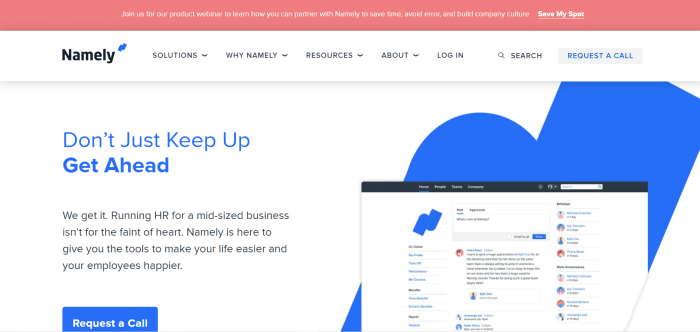
- Namely: A customizable HR platform aimed at mid-sized businesses.
- Rippling: Integrated payroll and benefits management that is particularly useful for tech startups.
Business Ethics in HR Software Usage
Ethical considerations in using HR software are paramount, especially regarding employee data management. Companies must navigate the complexities of data privacy and ethical hiring practices to foster trust and compliance.
Ethical Considerations in Employee Data Management
Organizations must prioritize ethical standards when managing employee data. This includes:
- Implementing strong data protection measures to safeguard personal information.
- Ensuring transparency in data usage and storage practices.
Implications of Data Privacy Policies
Data privacy policies have significant implications for HR software usage:
- Compliance with regulations like GDPR and CCPA is essential.
- Failure to adhere to privacy policies can result in legal and financial repercussions.
Promoting Ethical Hiring Practices
HR software can promote ethical hiring practices by:
- Minimizing bias through standardized evaluation processes.
- Providing tools for tracking diversity and inclusion initiatives.
HR Software for Business Franchising
Franchisors can leverage HR software to manage multiple locations effectively. This software helps standardize HR practices across outlets and simplifies communication.
Leveraging HR Software for Managing Multiple Locations
Franchisors can benefit from HR software by:
- Centralizing employee data across all franchises.
- Providing consistent training programs and resources to various locations.
Checklist of Features Beneficial for Franchises
When selecting HR software for franchise operations, consider these essential features:
- Multi-location management capabilities to oversee all franchise outlets.
- Reporting and analytics for performance tracking across locations.
- Customizable onboarding processes to align with brand standards.
Standardizing Practices Across Franchise Outlets
HR software plays a crucial role in standardizing practices across franchise outlets by ensuring consistency in:
- Hiring procedures to maintain brand integrity.
- Employee training programs to ensure uniformity in service delivery.
Furnishings and Supplies in HR Software Implementation
Successful implementation of HR software requires careful consideration of necessary resources and supplies. This ensures that the software operates effectively within the organization’s existing framework.
Necessary Resources and Supplies for Implementation
Key resources for effective HR software implementation include:
- Hardware: Ensure that existing computers and devices meet software requirements.
- Internet Connectivity: Reliable internet is crucial for cloud-based solutions.
- Training Materials: Develop comprehensive training guides for staff.
Optimizing Physical Workspace
The physical workspace can be optimized for better HR software usage by:
- Designing collaborative spaces that facilitate team training sessions.
- Ensuring adequate workspace for HR personnel to manage software tasks efficiently.
Integrating HR Software Tools with Existing Technology
Integration is vital for maximizing the effectiveness of HR software tools. Consider these tips for seamless integration:
- Identify existing software systems and assess compatibility.
- Work with IT teams to ensure smooth data migration.
Human Resources Trends Influencing Software Development
Current challenges in human resources have a profound impact on the features and functionalities of HR software. Organizations must adapt to these challenges to remain competitive.
Current Challenges Shaping HR Software Features
Some current challenges include:
- Talent acquisition in a competitive job market.
- Employee retention amid changing workforce expectations.
Role of AI and Machine Learning
AI and machine learning are revolutionizing HR software by enabling:
- Predictive analytics for better hiring decisions based on data.
- Automation of repetitive tasks, freeing up HR professionals for strategic initiatives.
Emerging Technologies in HR Systems
Emerging technologies being integrated into HR systems include:
- Blockchain: For secure and transparent employee records.
- Virtual Reality: For immersive training experiences.
Industrial Mechanical Perspective on HR Software
Industrial companies have unique needs when selecting HR software that caters to the workforce management challenges specific to mechanical industries.
Unique Needs of Industrial Companies
Industrial companies often require HR software that can handle:
- Complex scheduling systems for shift workers.
- Compliance tracking for safety regulations and certifications.
Improving Workforce Management
HR software can improve workforce management in mechanical industries by:
- Streamlining the recruitment process for skilled labor.
- Facilitating training and certification tracking for safety compliance.
Insights on Compliance and Safety Training Features
Compliance and safety training features in HR software are essential for industrial sectors. Key aspects include:
- Automated reminders for training renewals and certifications.
- Reporting capabilities to track compliance status across the workforce.
Last Word
In conclusion, navigating the landscape of HR software can unlock significant advantages for businesses of all sizes. By carefully comparing options based on user-friendliness, pricing, and unique features, organizations can enhance their HR processes and foster a more productive workplace. Ultimately, the right HR software can be a game-changer in achieving business goals and ensuring employee engagement.
Common Queries
What are the primary benefits of using HR software?
HR software automates tasks, improves efficiency, enhances data management, and enables better compliance with regulations.
How do I determine which HR software is best for my organization?
Assess your company’s specific needs, budget, and the features offered by various software solutions to find the best fit.
Is training necessary for using HR software?
Training is often recommended to ensure that your team can effectively utilize the software’s features and maximize its benefits.
Can HR software integrate with other business tools?
Many HR software solutions offer integration capabilities with popular business tools, enhancing overall functionality.
What should I consider regarding data privacy in HR software?
Ensure the software complies with data protection regulations and employs strong security measures to protect employee information.